










OEM fastener manufacturing is vital for production, assembly, and performance. Every single bolt, screw, or nut is a part of safety, durability, and compliance, which most buyers underestimate. OEM fasteners are essential in various industries to prevent failures and save a significant amount of money.
Key points:
- An understanding of custom OEM fasteners will be gained.
- Insight into how manufacturers collaborate with OEMs.
- The importance of OEM-specific fasteners will be explained.
- Information about expectations from CNXD Auto.
- Aimed at helping you make informed decisions.
What Are OEM Fasteners?
OEM fasteners are fastening components manufactured specifically for an Original Equipment Manufacturer (OEM). These fasteners are made to specific standards, unlike off-the-shelf hardware. They follow the OEM’s drawings, material needs, tolerances, and performance goals exactly. This means the size, thread type, coating, strength, and even production volume are tailored to a specific application.
Beginners often ask whether OEM fasteners are “special” or just branded parts. The answer is that OEM fasteners are purpose-built. They’re designed to fit perfectly within a system and perform reliably under real-world conditions. A fastener used by General Motors in cars must meet strict automotive standards (ISO 45001, ISO 19001, and IATF 16949). These include vibration resistance, corrosion resistance, and long-term durability.
OEM fasteners are used in tough settings. You’ll find them in Transmission assemblies, military tanks, and heavy-duty vehicles. In these cases, failure isn’t an option. In these applications, fasteners must withstand extreme loads, temperatures, and repeated stress. OEMs trust manufacturers with strict material testing and traceability protocols
How Do Fastener Manufacturers Work With OEMs?
Fastener manufacturers work closely with OEMs from the very beginning of a project. The process usually starts with engineering drawings or blueprints provided by the OEM. These documents cover all details, such as material grade, thread pitch, heat treatment, and surface finish. The manufacturer checks these details to make sure the fastener is made accurately and efficiently.
Communication is a key part of this relationship. OEMs often need feedback on three things: manufacturability, lead times, and cost-saving changes. These help maintain strong performance. For test programs or new designs, manufacturers might suggest making prototypes or limited runs. This helps validate the design before moving to full-scale production.
Quality control is another major aspect of OEM collaboration. Manufacturers stick to strict inspection steps, traceability rules, and documentation standards. This ensures each fastener meets OEM expectations. This level of coordination helps OEMs avoid delays, rework, and failures during assembly or in the field.
How Are OEM Fasteners Manufactured for OEM Applications?
- Manufacturing starts with a review of OEM drawings and specs. This helps us understand the design and performance needs.
- The right raw material is chosen for strength, durability, and the fastener’s use.
- The fastener is formed and shaped using methods such as cold heading, forging, or machining.
- Threads are added through rolling or cutting to meet OEM thread and tolerance standards.
- Heat treatment is applied to achieve the required hardness and mechanical strength.
- Adding surface coatings or finishes to improve corrosion resistance and performance.
- Inspect and test each fastener to ensure it meets OEM quality and compliance standards.
- Approved fasteners are packaged, documented, and delivered according to OEM requirements.
Why Does OEM Fastener Manufacturing Matter?

OEM fastener manufacturing matters because fasteners are fundamental to product integrity and safety. A fastener that doesn’t meet spec can lead to loose assemblies, premature wear, or catastrophic failure. In industries like automotive, defense, and heavy equipment, these risks can lead to recalls, downtime, or safety issues.
Custom OEM fasteners also support innovation. As OEMs design lighter, stronger, or more efficient products, standard hardware may no longer be sufficient. OEM-specific fasteners allow engineers to optimize performance while maintaining compliance with industry standards.
Working with an IATF 16949-certified OEM fastener manufacturer can help businesses reduce long-term costs. Buyers can sidestep production delays and inventory problems. They can do this with quality that meets PPAP requirements, contractually defined lead times, and advice from in-house metallurgical engineers.
What Fastener Manufacturing Services Does CNXD Auto Provide for OEMs?
CNXD Auto offers full OEM fastener manufacturing services. This includes support for both OEM and aftermarket needs. CNXD Auto focuses on the automotive and industrial sectors. CNXD Auto supports OEMs with manufacturing to tolerances of +/- 0.01 mm.
CNXD Auto uses OEM drawings to make fasteners. These are built to spec for prototype testing, limited runs, and full-scale production. Their quick testing and prototype skills help OEMs assess performance and fit. This occurs before they begin large-scale production. This cuts down on risk and lowers development costs.
Which OEM Applications Has CNXD Auto Supported?
CNXD Auto manufactures fasteners for a wide range of OEM and aftermarket applications, including:
- Automotive OEM and aftermarket fasteners
- Transmission and drivetrain components
- Heavy-duty vehicle assemblies
- Industrial and mechanical equipment
- Specialized automotive repair and replacement parts
What Other Manufacturing Products Does CNXD Include?
- Custom screws manufactured to OEM standards
- Precision bolts for automotive and industrial use
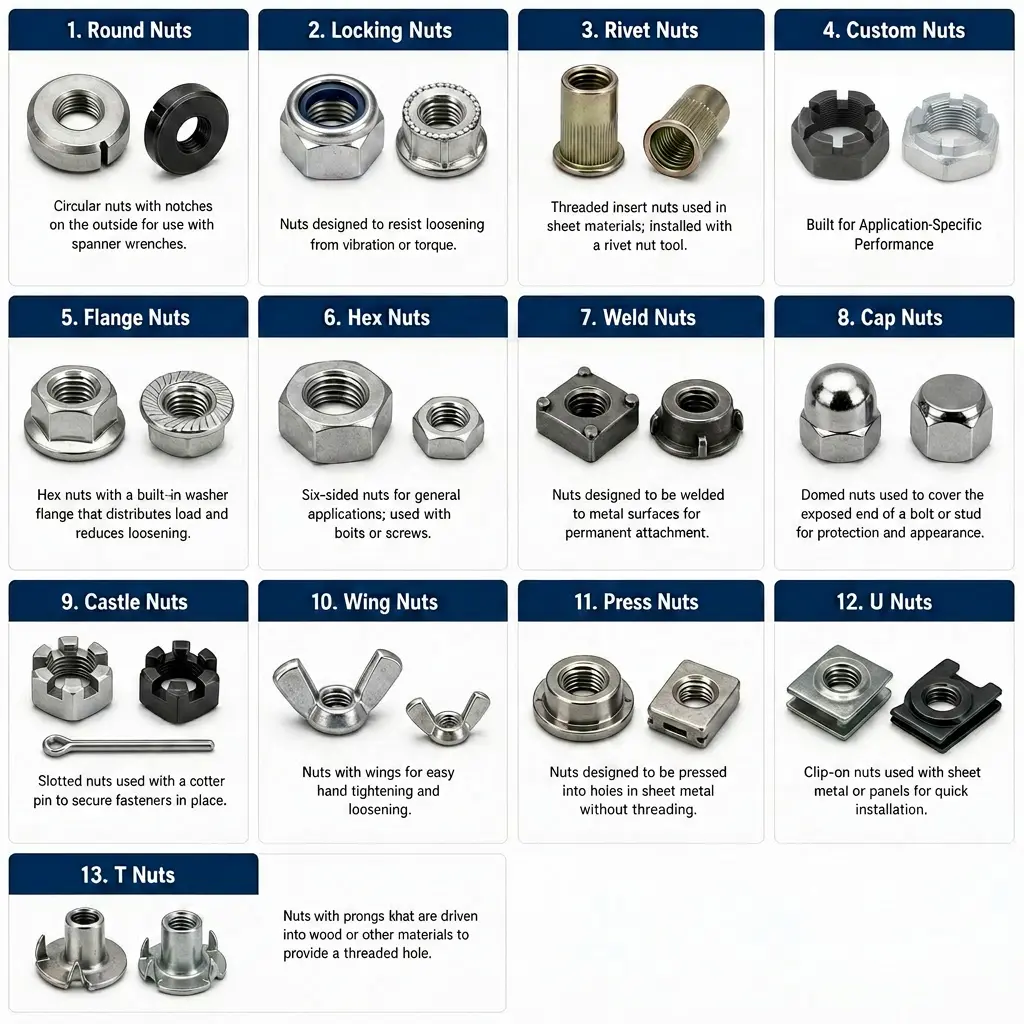
- High-strength nuts for demanding applications
- Fully custom-made fasteners built to exact specifications
- CNC-machined and specialty-bent components
Final Thoughts About OEM Fastener Manufacturing
OEM fastener manufacturing may seem like a small detail, but it has a big impact on product success. Knowing how OEM fasteners are designed, made, and tested helps you pick the right manufacturing partner. This knowledge can also save you from expensive errors.
CNXD Auto OEM fasteners provide key benefits. They ensure precise accuracy and have experience with limited runs and test products. Plus, they understand OEM requirements across various industries. They focus on quality, communication, and flexibility. This makes them a reliable partner for new and established OEM programs.
For more on OEM fastener solutions, materials, or production, check out the CNXD Auto for resources. With the right knowledge and partner, you can source OEM fasteners easily. This leads to better and more reliable products.